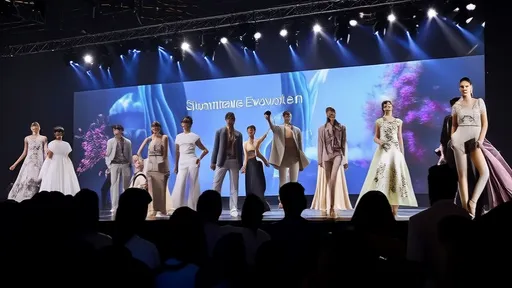
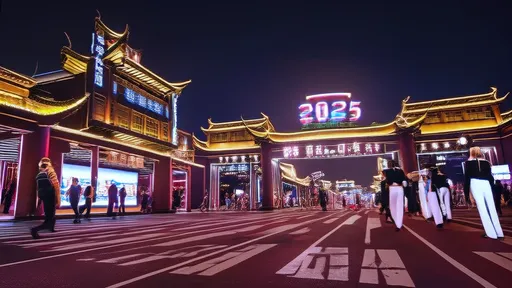
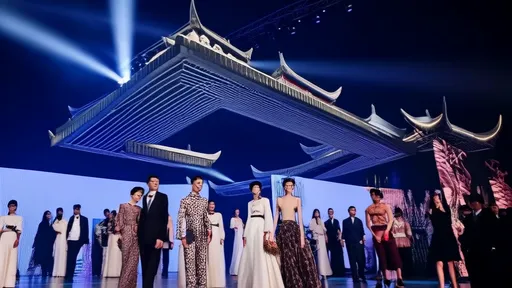
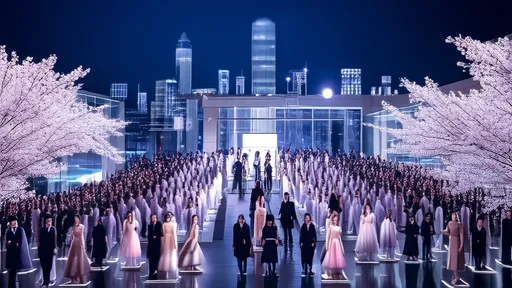
The vibrant energy of Xiamen's historic Zhongshan Road still lingers in the air days after the curtains fell on the 2025 Xiamen International Fashion Week. For five extraordinary days, this century-old commercial street transformed into a global stage where heritage architecture met futuristic fashion, creating a powerful narrative about the evolving soul of China's fashion industry. The event's strategic choice of location spoke volumes - this wasn't just another fashion show, but a deliberate statement about merging tradition with innovation, history with modernity.
What emerged as the undeniable protagonist throughout the week was the explosive fusion of athletic wear and high fashion. The runway presentations, pop-up installations, and industry forums all pointed toward a significant shift in consumer behavior and design philosophy. Sportswear has shed its purely functional skin to become the canvas for artistic expression, technological innovation, and cultural commentary. The days when tracksuits were confined to gymnasiums are long gone; today, they walk boardrooms, grace fine dining establishments, and dominate social media feeds with equal authority.
The Evolution from Gym to Runway
One cannot discuss the rise of sports fashion without acknowledging its humble beginnings. For decades, athletic apparel served a singular purpose: performance enhancement. Design focused on moisture-wicking fabrics, ergonomic cuts, and durability. Fashion was an afterthought, if considered at all. The turning point came when luxury designers began noticing how consumers were embracing comfort without sacrificing style. The streetwear revolution of the early 21st century planted the seeds, but what we're witnessing now is a full-blown horticultural phenomenon.
At Xiamen Fashion Week, established sportswear giants and avant-garde designers presented collections that blurred all remaining boundaries. We saw tailored blazers constructed from technical knit fabrics typically reserved for marathon running, evening gowns incorporating mesh paneling and ventilation systems inspired by basketball jerseys, and luxury handbags designed with the same waterproof materials used in hiking gear. The message was clear: the future of fashion lies in hybridity, in garments that serve multiple contexts and purposes simultaneously.
Technology as the Invisible Seam
Beneath the aesthetic surface of this sports fashion revolution lies a complex technological infrastructure. The most compelling collections showcased in Xiamen weren't just visually striking; they were intellectually fascinating. Designers are collaborating with material scientists to develop fabrics that respond to body temperature, change color based on environmental conditions, or generate small electrical charges from movement to power integrated lighting systems.
One particularly memorable presentation featured a collaboration between a Chinese tech startup and a Milan-based fashion house. Their collection incorporated smart textiles that could monitor vital signs while adapting their insulation properties throughout the day. Another designer showcased shoes with 3D-printed midsoles that customized their cushioning based on the wearer's gait pattern, captured through embedded sensors. This isn't just fashion anymore; it's wearable technology that happens to look extraordinary.
The Economic Momentum Behind the Trend
The commercial implications of the sports fashion boom are staggering. Industry analysts presenting at the fashion week's business forum revealed that the global sportswear market is projected to reach unprecedented figures by 2027, with premium and luxury segments growing at nearly double the rate of the overall apparel market. This isn't a temporary trend fueled by pandemic-induced comfort seeking; it's a fundamental restructuring of how people worldwide approach their wardrobes.
Chinese consumers, particularly the influential Gen Z and millennial demographics, are driving significant portions of this growth. Their purchasing decisions reflect a sophisticated understanding of brand heritage, technical innovation, and design integrity. They're not just buying logos; they're investing in engineering, storytelling, and versatility. International brands that successfully participated in Xiamen Fashion Week demonstrated a keen awareness of these preferences, highlighting sustainable production methods alongside technical features in their marketing narratives.
Sustainability in Motion
Perhaps the most encouraging development within the sports fashion sector is its growing commitment to environmental responsibility. The 2025 presentations placed unprecedented emphasis on circular design principles. We saw jackets made from recycled ocean plastics, sneakers designed for easy disassembly and recycling, and rental models for high-performance technical wear that typically has limited usage occasions.
Several emerging Chinese brands stood out for their innovative approaches to sustainability. One label developed a proprietary fabric derived from agricultural waste that outperforms traditional polyester in moisture management while being completely biodegradable. Another created a closed-loop system where customers can return worn garments for recycling in exchange for discounts on new purchases. These initiatives represent more than marketing strategies; they're fundamental reimaginings of the fashion lifecycle that align with the active, environmentally-conscious lifestyles that sports fashion promotes.
Cultural Significance Beyond Clothing
The sports fashion phenomenon transcends mere apparel; it reflects broader cultural shifts. In an increasingly informal world where remote work has dissolved traditional dress codes, clothing that moves seamlessly between different aspects of life has become essential. The popularity of sports fashion mirrors society's growing prioritization of health, wellness, and authentic self-expression over rigid conformity to outdated sartorial rules.
Furthermore, the trend embodies a more democratic approach to style. While luxury fashion houses lead innovation in this space, accessible price points across the sports fashion spectrum make cutting-edge design and technology available to diverse consumer groups. The runway looks at Xiamen Fashion Week weren't distant fantasies; many were immediate commercial offerings, bridging the traditional gap between haute couture and ready-to-wear.
The Future Fabric
As the lights dim on another successful Xiamen International Fashion Week, the industry looks ahead to an increasingly integrated future. The distinctions between sportswear, casual wear, and formal attire will continue to dissolve, replaced by versatile, multi-functional garments designed for dynamic lifestyles. The collaboration between fashion designers, engineers, and scientists will deepen, producing clothing that doesn't just look good but actively enhances the wearer's experience.
The sports fashion revolution represents more than a temporary trend—it's a permanent evolution in how we conceptualize clothing. As one leading designer noted during the week's closing forum, "We're not creating clothes for activities anymore; we're creating companions for life's journey." In the bustling aftermath of the fashion week, along the historic stones of Zhongshan Road, that journey looks more exciting than ever.
By /Oct 23, 2025

By /Oct 23, 2025

By /Oct 22, 2025
By /Oct 23, 2025

By /Oct 23, 2025
By /Oct 22, 2025
By /Oct 23, 2025
By Eric Ward/Oct 22, 2025

By Natalie Campbell/Oct 22, 2025
By /Oct 22, 2025
By /Oct 23, 2025

By /Oct 31, 2025
By /Oct 23, 2025
By /Oct 22, 2025

By /Oct 22, 2025
By /Oct 22, 2025

By /Oct 23, 2025

By /Oct 23, 2025
By /Oct 23, 2025
By /Oct 22, 2025
