Nanjing stands as a living testament to China's remarkable ability to harmonize ancient traditions with contemporary innovation. This city, once the capital of six dynasties, does not merely preserve its history behind glass cases in museums. Instead, it breathes life into its millennia-old legacy, allowing it to dance in rhythm with the pulsating beat of modern life. To walk through Nanjing is to experience a form of time travel, where the past and present are not sequential chapters but concurrent realities, seamlessly woven into the urban fabric.
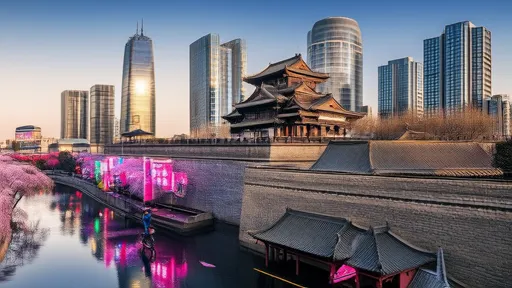
The majestic City Wall of Nanjing, one of the longest city walls ever built, offers a profound starting point for this journey. Its ancient stones, weathered by six centuries of sun and rain, tell silent stories of emperors and soldiers. Yet, look closer, and you will find a different kind of life animating this historic structure. In the early mornings, the paths atop the wall are thronged with joggers and tai chi practitioners, their modern athletic wear a stark contrast against the grey bricks. On weekends, the areas around the gates like Zhonghua Gate become impromptu stages for skateboarders and hip-hop dancers, their dynamic energy reverberating off the ancient fortifications. The wall is no longer just a defensive relic; it is a vibrant public park, a linear artery of contemporary urban life built upon a historical skeleton.
This fusion extends into the very streets and neighborhoods. The Confucius Temple (Fuzimiao) area, dedicated to the great ancient philosopher, is a dazzling spectacle of this duality. The traditional Qing and Ming-style architecture, with its upturned eaves and intricate woodwork, houses a bustling commercial district. Here, you can sip a meticulously brewed craft coffee or a bubble tea while gazing at the Qinhuai River, once the playground for scholars and poets. Street vendors selling time-honored snacks like salted duck and tangyuan (sweet rice balls) operate just doors down from trendy boutiques and immersive digital art installations. The area doesn't feel like a preserved historical site; it feels like a living, breathing organism that has continuously evolved, absorbing the new without shedding the old.
Nanjing's literary and intellectual soul, deeply rooted in its history as a center of learning and publishing, has also found a new, chic expression. The city's avant-garde bookstores are architectural marvels that have become cultural landmarks in their own right. Places like the Pioneer Bookstore, often housed in repurposed historical buildings like an old garage or a bomb shelter, are perfect examples. They are not just places to buy books; they are social hubs, art galleries, and cafés. Under vaulted ceilings and amidst exposed concrete, young Nanjing residents browse through volumes of philosophy and modern fiction. These spaces honor the city's scholarly past by reinventing the very concept of a library for the 21st century, proving that the pursuit of knowledge can be both profoundly traditional and incredibly cool.
The culinary scene is perhaps the most visceral experience of Nanjing's temporal blend. The city is famous for its Nanjing salted duck, a recipe perfected over hundreds of years. You can join a long queue at a century-old shop to taste this authentic delicacy, appreciating the unchanged flavors that have delighted palates for generations. Just around the corner, however, you might find a minimalist, Instagram-worthy restaurant serving molecular gastronomy interpretations of Jiangnan cuisine or a vibrant food hall featuring international fusion dishes. The "foodies" of Nanjing move effortlessly between these worlds, valuing the heritage of the old masters as much as the innovation of the new chefs. This is not a city stuck in its culinary ways; it is a city that savors its history while having a voracious appetite for the new.
This cultural confidence to "switch gears" is also visible in the arts. The Jiangsu Art Museum and other galleries throughout the city host exhibitions that display priceless ancient Chinese calligraphy and ink-wash paintings alongside provocative contemporary installations and digital media art. There is no sense of conflict between the two. A visitor might spend the morning contemplating the delicate brushstrokes of a Ming dynasty landscape and the afternoon immersed in a room-sized video art piece exploring urban alienation. Nanjing's art world understands that both are essential expressions of the human condition, separated by time but connected by a continuous creative spirit.
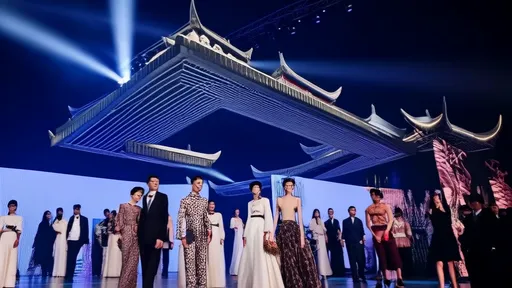
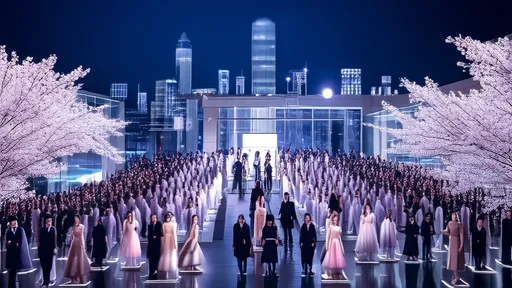
Even the city's green spaces embody this philosophy. The Xuanwu Lake Park, with its history dating back to the Six Dynasties period, is a classic Chinese landscape of pavilions, willow trees, and lotus ponds. It is a place for quiet contemplation, where elders play chess and write calligraphy with water on the pavement. Yet, on its fringes, you find the gleaming skyscrapers of the modern business district reflected in the lake's surface. The park itself hosts modern music festivals and outdoor fashion events, its ancient serenity providing a stunning backdrop for contemporary celebration. It is a reminder that nature and history are not separate from urban development but are integral parts of it.
Ultimately, Nanjing's "superpower" is not a secret formula but a deeply ingrained mindset. It is a cultural DNA that respects the weight of history without being burdened by it. The city confidently carries its 2,500 years of history not as a heavy backpack, but as a well-worn, versatile tool. It draws wisdom and identity from its past—from the poignant memories of the Ming Xiaoling Mausoleum to the resilience remembered at the Memorial Hall of the Victims of the Nanjing Massacre—and channels it into building a dynamic, forward-looking metropolis. The people of Nanjing are the curators of this living heritage, effortlessly code-switching between ancient etiquette and modern digital slang, between a reverence for tradition and a passion for innovation.
In a world where cities often choose between being open-air museums or generic hubs of globalization, Nanjing presents a third way. It is a city completely at ease with its own complexity. It allows the whispers of the past to converse freely with the shouts of the present, creating a unique, polyphonic urban symphony. To experience Nanjing is to understand that being "ancient" and being "cool" are not opposites; in this remarkable city, they are one and the same, two sides of the same coin, freely and fluidly switching places in a dazzling display of cultural continuity. This is the true magic of Nanjing—its effortless, timeless "chao" ability.

By /Oct 23, 2025

By /Oct 23, 2025
By /Oct 22, 2025
By /Oct 23, 2025
By /Oct 23, 2025
By /Oct 22, 2025

By /Oct 23, 2025
By Eric Ward/Oct 22, 2025

By Natalie Campbell/Oct 22, 2025
By /Oct 22, 2025
By /Oct 23, 2025

By /Oct 31, 2025
By /Oct 23, 2025
By /Oct 22, 2025

By /Oct 22, 2025
By /Oct 22, 2025

By /Oct 23, 2025
By /Oct 23, 2025
By /Oct 23, 2025

By /Oct 22, 2025
